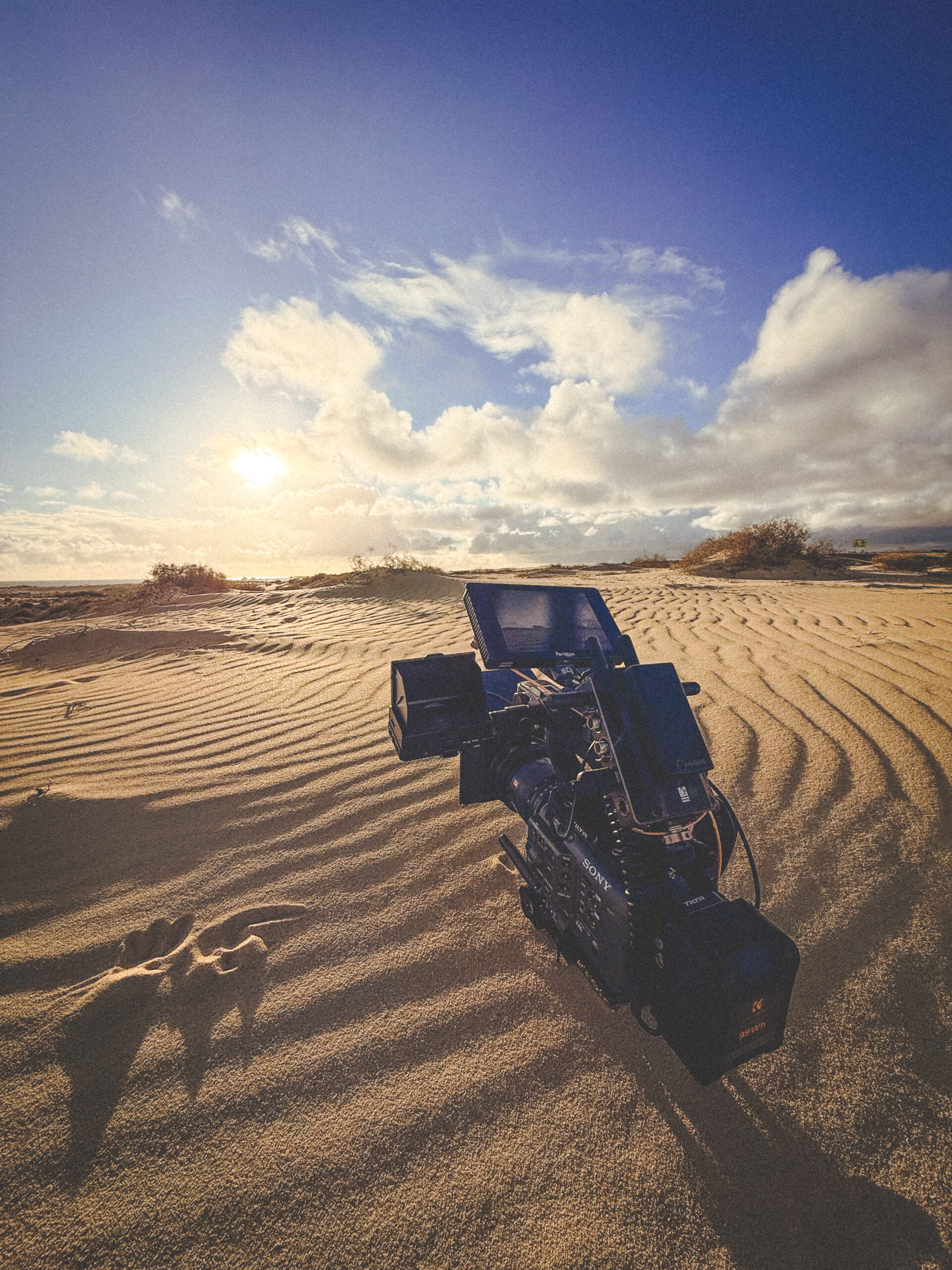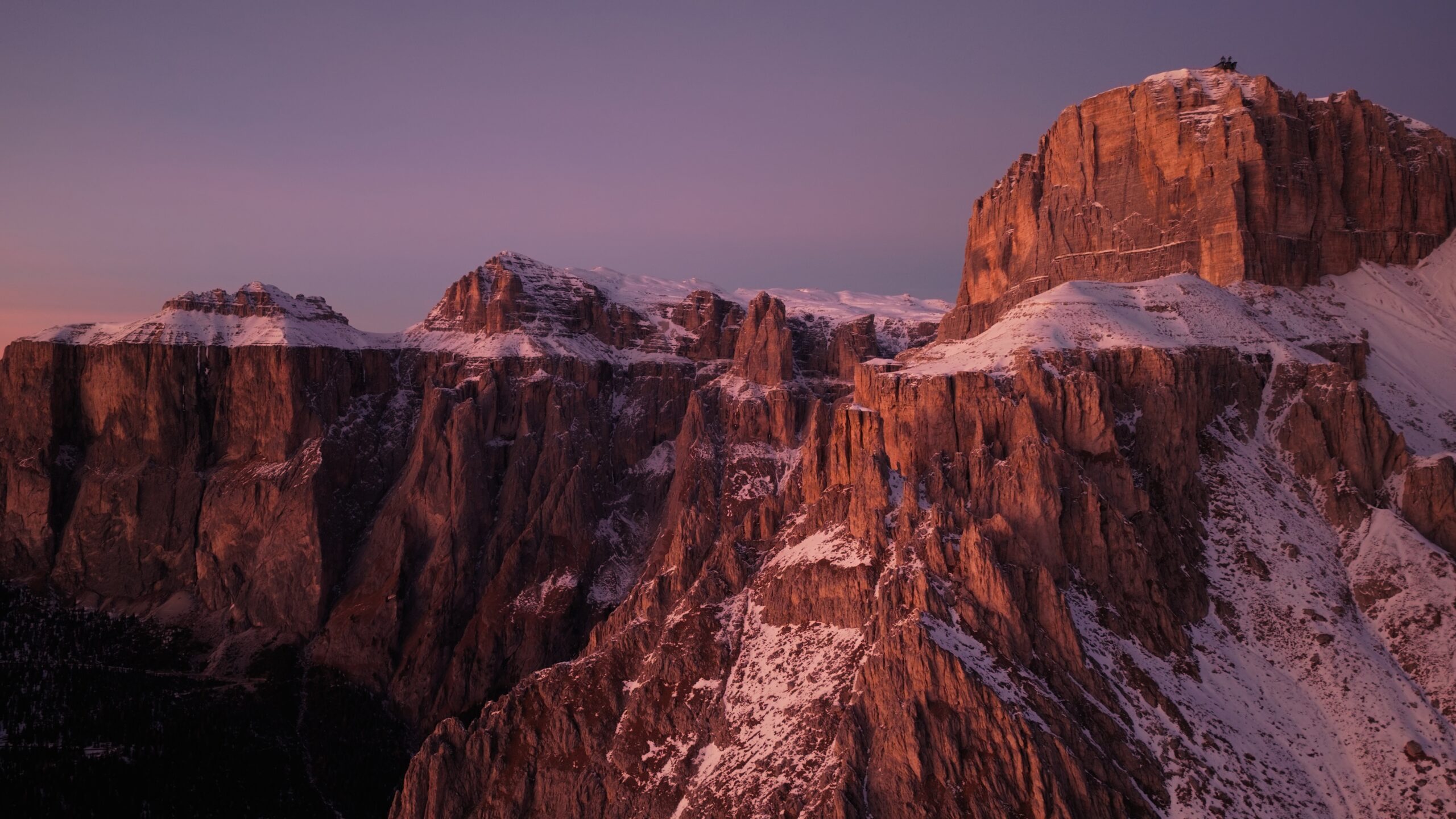
Filming in the Dolomites means permits across more than one province, natural park restrictions, mountain access that changes with the season, and vendors who mostly don't work in English.
Whatever a production needs on the ground in Italy, it goes through one point of contact.
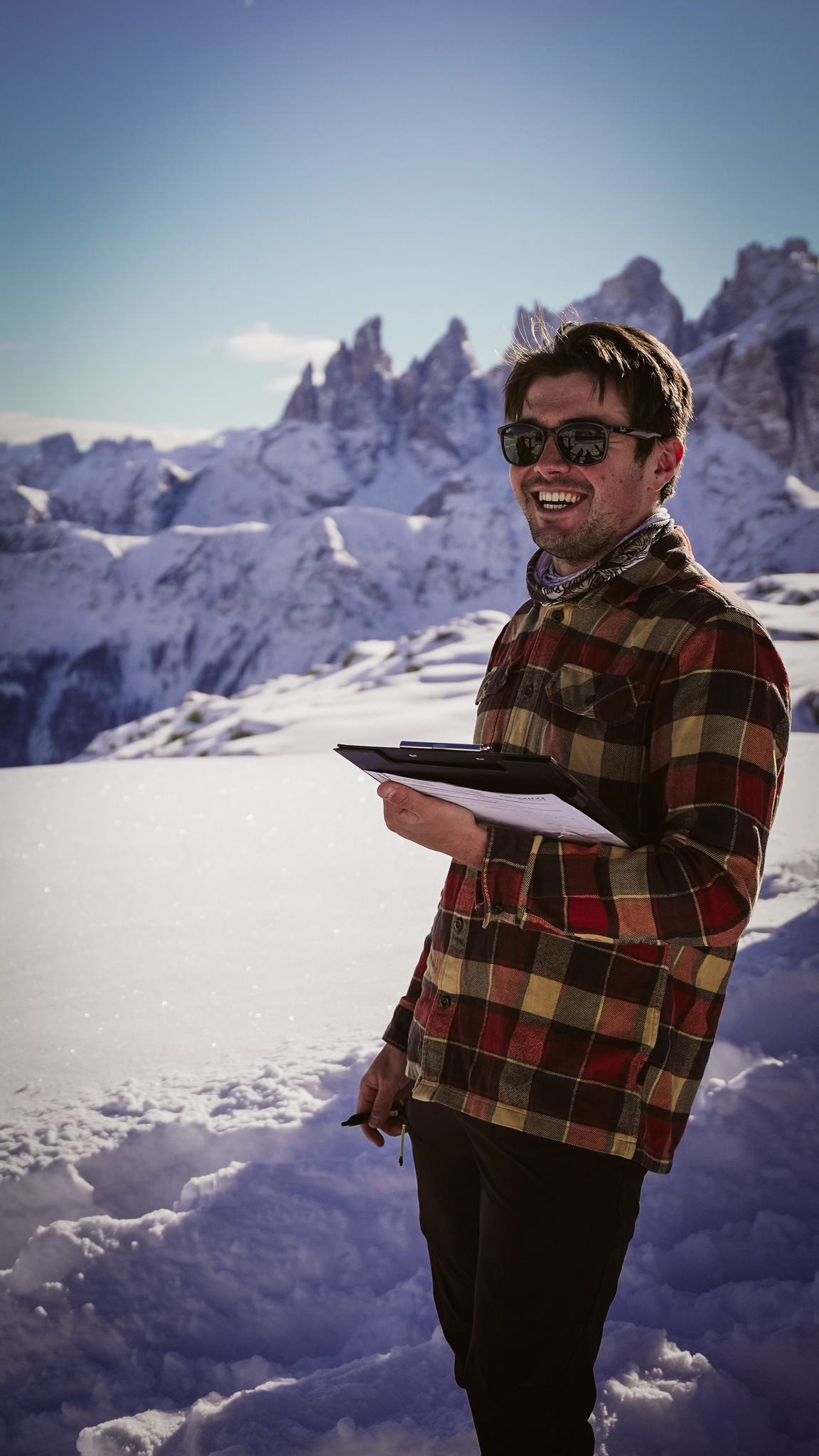
Local Production & Fixing
From abroad it's hard to tell whether a location is reachable with a full crew and heavy cinema gear, who owns the road up to it, or which office issues the permit — and those answers shape the schedule.
Location scouting with honest access assessments, permits with the relevant local authorities, local crew and vendor sourcing, transport, accommodation, and budget support — from first treatment to wrap.
On Brooks Running's "The Sounds of Trail Running" for Stept Studios, three locations each needed a different access solution: cable car to the Pale di San Martino plateau, a permitted off-road route inside the natural park to Baita Segantini, and a dedicated 4x4 pickup to the ridge above Rifugio Passo Selle.
Camera Operation
Bringing a full camera department into the mountains adds cost and people to a shoot that often can't carry either.
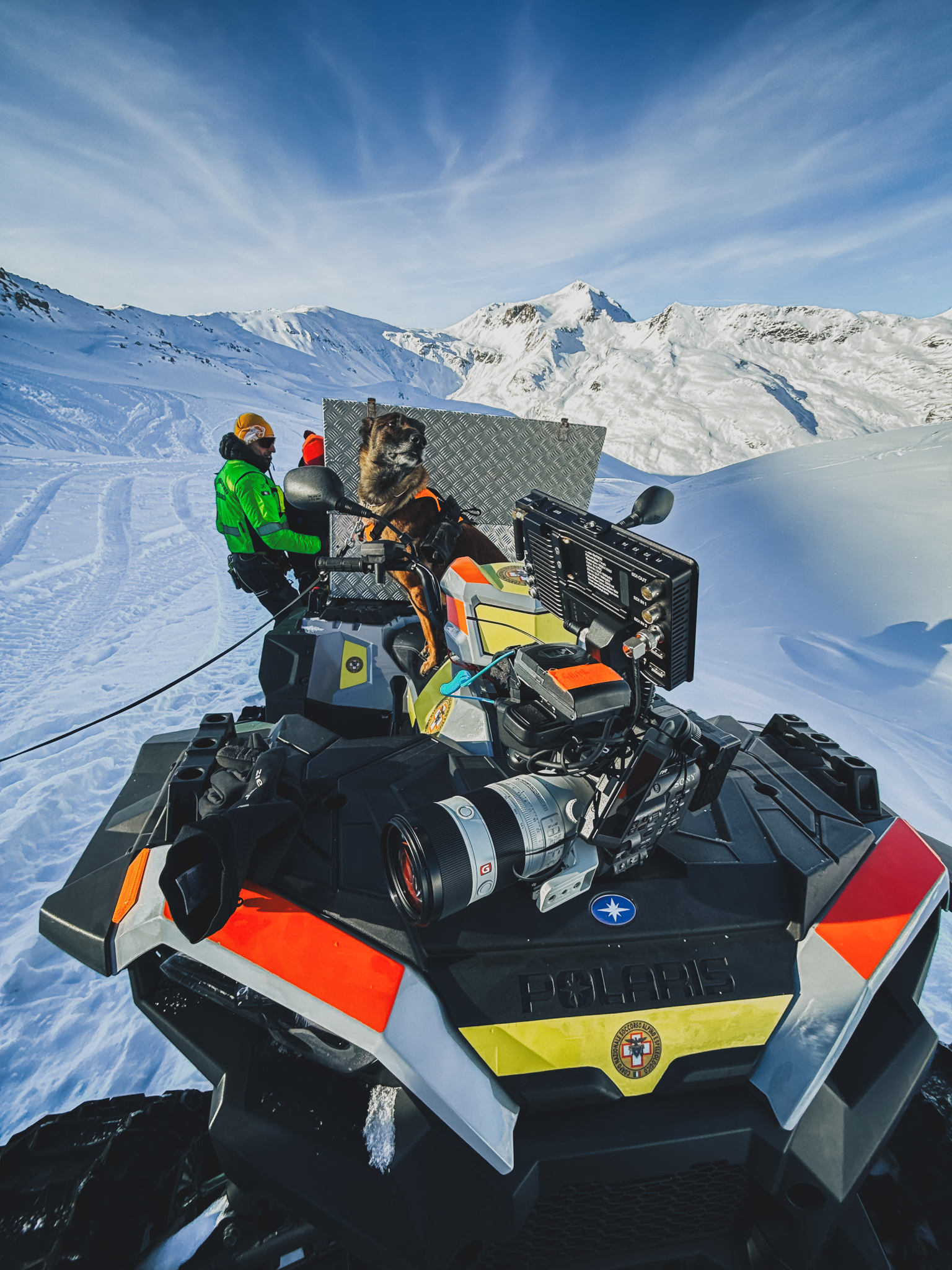
Sony FX6 cinema camera work with a full GM lens kit, and wireless video transmission so directors and clients can monitor playback live on set. Comfortable operating on foot at altitude, in deep winter, and on terrain where the gear has to be carried in.
Aerial Cinematography
Drone regulations in Italy are strict, and mountain conditions add their own limits on when and where it's safe to fly.
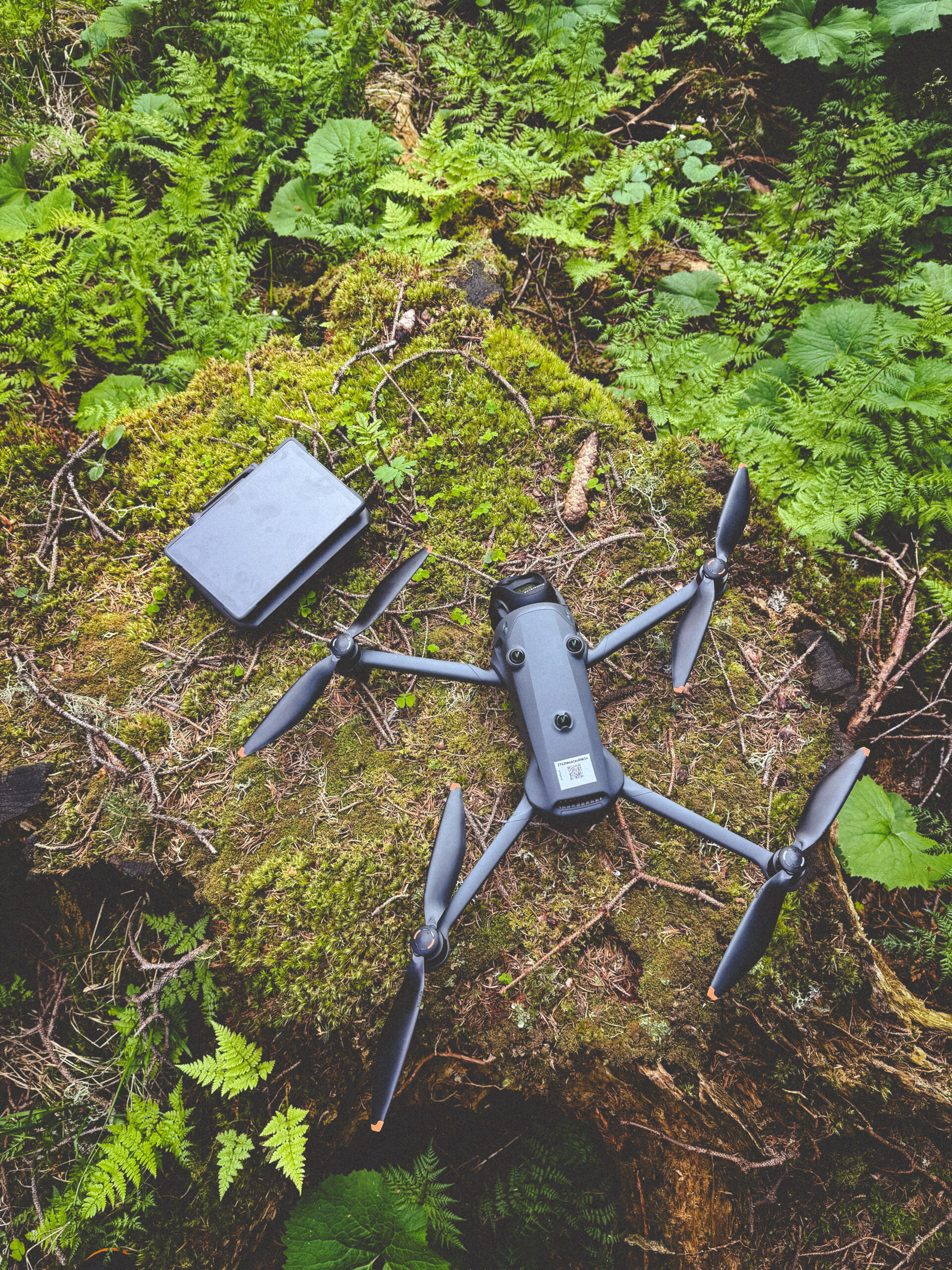
EASA STS-01 certified drone pilot flying a DJI Mavic 4 Pro, cleared for VLOS operations over populated, controlled ground areas. When a production needs more — Inspire 3, FPV, or a cine-lifter setup — I bring in colleagues I work with regularly.
Equipment Rental
Shipping kit into Italy is slow and expensive, and coordinating an unfamiliar rental house from another timezone takes production time.
Beyond my own kit, I handle booking, pickup and delivery from rental houses in Milan and other major Italian cities, so the gear is on location when you land.